Tuesday, 25 March 2014

Independent Film

Slumdog Millionaire


Marketing
This film's trailer was shown repeatedly on television adverts such as Film4 and Channel 4. This is because these two companies were behind the film and therefore were part of the marketing campaign. 
They then expanded their marketing campaign onto other television channels to get more viewers such as Sky, ITV and the BBC.
The film was also shown in different languages to appeal to a wider audience. in different countries such as India because the director (Danny Boyle) wanted the country in which it was filmed to be able to see it and appreciate it.

The genres of the film include drama, romance and thriller.

Slumdog Millionaire was financially successful because it cost $15,000,000 to make and returned $141,319,195.

Box Office

Budget:

 $15,000,000 (estimated)

Opening Weekend:

 £1,827,457 (UK) (9 January 2009)

Gross:

 $141,319,195 (USA) (22 May 2009)


The film was also critically successful.

Slumdog Millionaire (2008)

TOMATOMETER
94
Average Rating: 8.3/10
Reviews Counted: 236
Fresh: 221 | Rotten: 15
Visually dazzling and emotionally resonant, Slumdog Millionaire is a film that's both entertaining and powerful.
AUDIENCE
90
liked it
Average Rating: 4/5
User Ratings: 1,150,304

'The best movie of 2008'

Does it live up to the hype? For the most part, yes.

This sensational, gripping film is what I call an efficient epic.

It's a big, exuberant film that revels in the joy of a good story.

Film Censorship

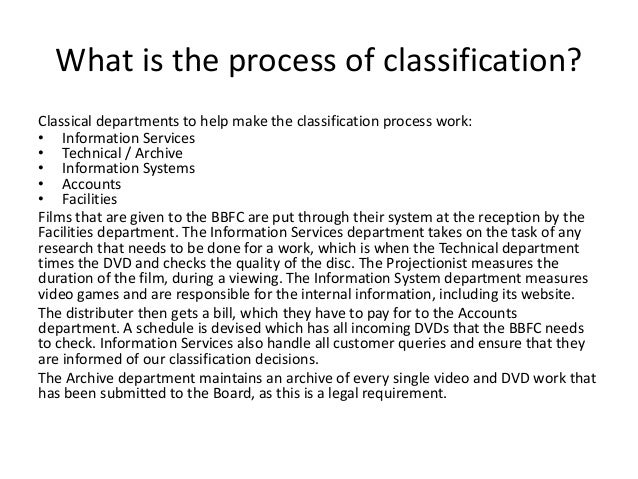
The BBFC (British Board of Film Classification) was founded in 1912, it was created because the people that created the films would rather decide what classification films were than let the Government do it.


What Media Forms Do They Regulate?
The BBFC regulate the ratings for DVDs, films, video games and have recently started to rate music videos.

How Are They funded?
They are funded through the fees it charges to those
who submit films and video works for classification.

What Legislation Do They Have To Abide By?
-Video recording act (1984)
-The human rights act (1988)
-The obscene publications act (1959 and 1964)
-The protection of children act (1978)
-The criminal justice and immigration act (2008)
-The public order act (1986)
-The cinematograph films (animals) act (1937)
-The animal welfare act (2006)
-Coroners and justice act (2009)


Examples Of Films Or Video Games That Have Been Regulated Recently
Human Centipede 2 and Serbian Film.


Examples Of Films/Video Games That Have Been Regulated Over 20 Years Ago
Human Centipede 2 & Clockwork Orange have both been banned or cut in order to be shown. Clockwork Orange was released 20 years after it was created.


The American equivalent of the BBFC is The Motion Picture Association Of America (MPAA)


Friday, 21 March 2014

Social Realism And Commercialism

Social Realism 
British social realist films are popular in Britain but not very popular in America. An example of a social realism film is Snatch. Americans just don't understand the humour, along with the fact that they prefer to watch films about Britain that include received pronunciation and the monarchy.
Social realism usually includes the working class in a gritty environment with a gritty storyline. It is usually a  more accurate representation of Britain and includes regional accents.


Commercialism 
Commercial films include stereotypes of the British which Americans prefer, which is why The King's Speech did so well in America and not very well in Britain. Americans love the monarchy and the stereotype that all Britons are posh. However, this film did not do very well in Britain because we all know what Britain is really like.


Why is it important for Britain to produce social realism and commercialism films?
It is important because if we stopped producing social realist films then all of the British film industry would be completely commercialised which would mean that the majority of British people would not like the films that Britain produces. Social realism films also help foreigners to understand what it is really like in Britain. It is important for Britain to have commercial films in order to keep its place in international film making. It will also make foreign viewers want to visit Britain and watch more British films.